
Protect NEw York Wine & Liquor stores
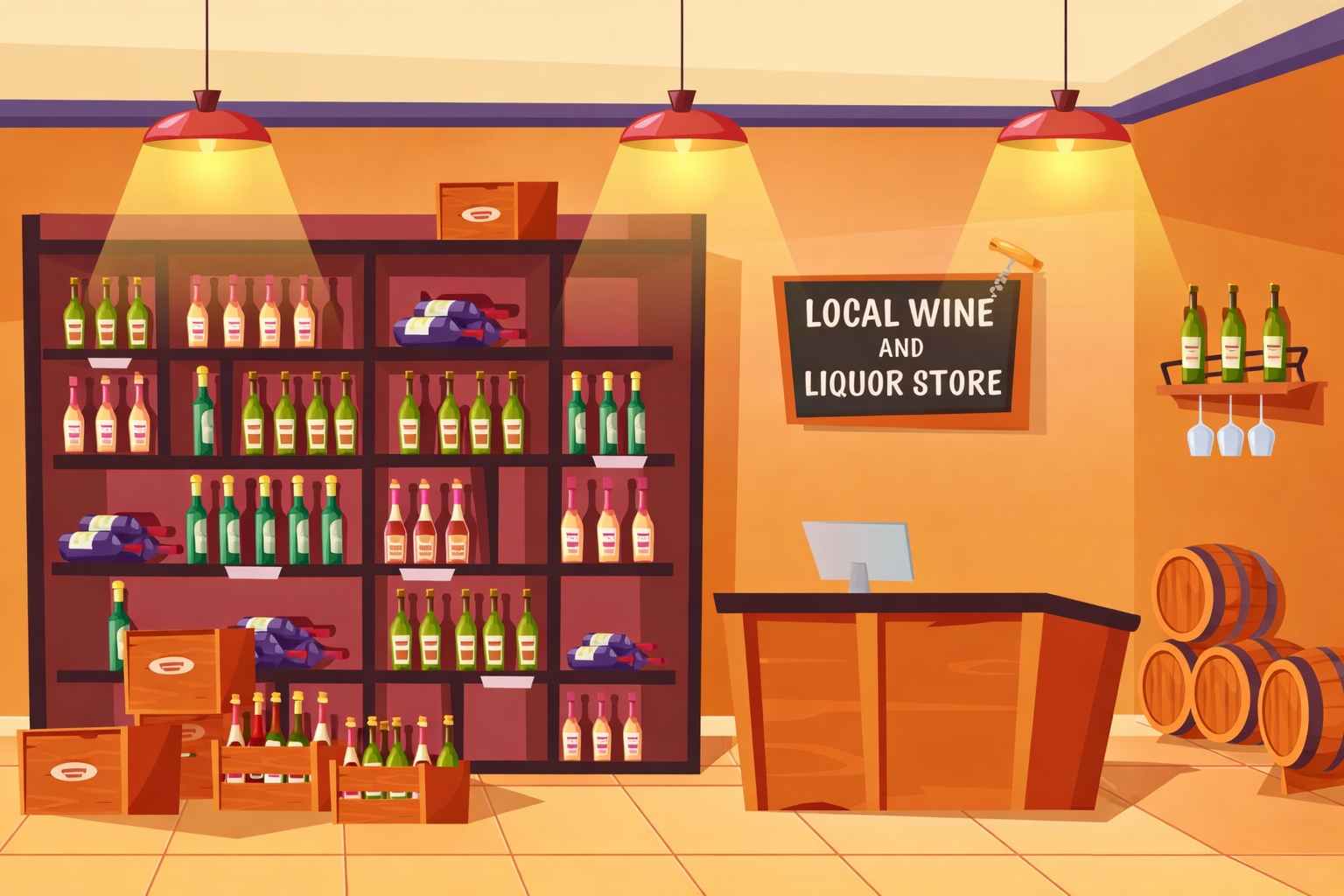
Say no to wine in grocery stores
Print out and post THIS FLYER in your liquor store for your employees, sales reps, customers, friends, and family. Use the QR Code to send letters to your legislators and Governor Hochul.
New York’s proposal to put wine in grocery stores (WIGS) is a direct attack on the thousands of people who keep this industry alive:
local wine and liquor stores
liquor store employees
sales reps
truck drivers
union workers
In the 2026 legislative session, Albany lawmakers are once again considering bills that would allow the sale of wine in grocery stores, S.1279-A and A.1328-A. These bills are being aggressively promoted by powerful supermarket chains and well-funded business interests.
Local wine and liquor stores across New York rely on wine sales for survival. Unlike grocery and food stores that sell thousands of products, liquor stores are legally limited to just two: wine and spirits. This limitation makes these stores highly dependent on wine sales to cover rent, pay employees, and contribute to local economies.
Liquor stores are more than retailers—they are cornerstones of their communities. They support Main Street economies, generate foot traffic for nearby businesses, and provide consumer education about local wines and spirits. Most importantly, they serve as vital stewards of New York’s renowned wine economy, promoting local wineries and preserving regional products.
Allowing wine sales in grocery stores would divert sales away from these community-based businesses, putting many at risk of closure, layoffs, and reduced inventory. The impact would ripple through neighborhoods, harming workers, local wineries, and Main Street economies.
We urge lawmakers and Governor Hochul to stand with New York’s independent liquor stores, their employees, sales representatives, truck drivers, union workers, and the communities they serve by rejecting wine-in-grocery-stores legislation.

Stand With NY’s Liquor Stores!
Sign up for updates on our campaign by completing this form.
Your support helps make this campaign possible. If you are able, please consider donating.
FAQs
-
Absolutely. Wine sales account for 40–75% of total revenue for New York State wine and liquor stores. Wine is not a supplemental product for these businesses—it is the foundation that allows them to stay open, employ local workers, and offer a diverse selection of products.
If wine sales are shifted to grocery stores, liquor stores would experience a significant and immediate loss of revenue. That decline would force many locally owned stores to close their doors, lay off valued employees, or reduce hours and staffing. Others would be compelled to scale back their inventory, resulting in fewer choices for consumers and less support for small and regional wineries.
The ripple effects would be felt well beyond the storefront. Job losses would impact store employees, sales representatives, delivery drivers, and union workers, while communities would lose trusted neighborhood businesses that contribute to local economies and Main Streets. Ultimately, allowing wine in grocery stores would destabilize a system that supports small businesses, local jobs, and New York’s renowned wine economy.
-
Yes. Many large supermarket chains are headquartered out of state, and their profits are not reinvested in New York. Local wine and liquor stores reinvest in their communities and help New York’s economy grow.
WIGS will not help the economy since consumers will not be buying more wine; they will shift their purchasing from liquor stores to grocery stores. Small wine and liquor stores are anchors of Main Streets, driving foot traffic that benefits nearby restaurants, shops, and service providers.
Closures would reduce local economic activity, hurting downtown areas, small retailers, and local tax revenue.
-
Big-box supermarkets are driven by volume and profit, not by diversity or local economic development. Their wine selections are dominated by high-margin, nationally advertised brands and private-label products that they control. As a result, small wineries struggle to secure meaningful shelf space, particularly when they cannot compete with the pricing power, volume requirements, and distribution networks demanded by large chains.
Most New York State wineries are small businesses producing limited quantities of wine. These wineries rely on independent wine and liquor stores that actively seek out local products, promote New York labels, and educate consumers about regional producers. Wine and liquor stores serve as essential partners for small wineries, helping them reach customers, build brand recognition, and grow sustainably.
Allowing wine sales in grocery stores would shift market power away from these community-based retailers and toward corporate chains, squeezing small wineries out of the marketplace. The result would be fewer opportunities for New York producers, less variety for consumers, and long-term harm to New York’s renowned wine economy.
-
In states like Colorado, where grocery stores were allowed to sell wine, independent liquor stores experienced double-digit sales declines, closures, layoffs, and reduced consumer choice.
Multiple Colorado retailers reported sales declines of roughly 30%–40% after grocery stores began selling wine in March 2023, with many small liquor stores feeling competitive pressure as customers buy beer and wine during grocery shopping trips.
-
Local wine and liquor stores are anchors of local Main Streets. They pay local taxes, generate foot traffic, and support nearby restaurants and small retailers. When these shops close, communities lose a vital part of their small-business ecosystem and local character.
-
This proposal is about corporate expansion, not convenience. New York already has thousands of neighborhood wine and liquor stores providing responsible service and community access. Wine in grocery stores primarily benefits large chains, not consumers or communities.
-
Increased alcohol availability is likely to lead to higher rates of underage access to alcohol. Liquor stores are specifically designed, staffed, and regulated to sell alcohol responsibly. Liquor store employees receive specialized training, check IDs consistently, and face strict penalties for violations. Alcohol is their sole product and focus.
Grocery stores sell thousands of products and often rely on self-checkout and nonspecialized staff, which makes alcohol enforcement more difficult.
In the news
-

Churchill: Wine in supermarkets? Maybe, but let's be honest about the impact
-
NYS Comptroller, Wine in Grocery Stores
-

Auburn liquor store owner: Wine sales in grocery stores would be 'devastating' to business
-

Commentary: Supermarket wine sales would kill small businesses
-

Liquor store owners in Queens refute ‘supermarket-backed’ poll suggesting New Yorkers prefer wine from grocery stores
-

Lawmakers push for wine to be sold in NY grocery stores, local liquor store owners react
-

New York Wine In Grocery Stores Bill Dies
-

2 years into law changes, grocers tout popularity while liquor stores weather storm
-

Wine in grocery stores? Lawmakers tweak plan to address opposition